Hydrangeas are widely admired for their voluminous flower heads, layered petals, and subtle color transitions that range from soft pastels to rich jewel tones.
Creating a hydrangea bouquet is not a simple act of gathering blooms; it is a structured process that combines botanical understanding, precise handling, and thoughtful design principles.
Understanding Hydrangea Characteristics
Hydrangeas differ significantly from many cut flowers due to their high water content. The large flower heads, technically known as inflorescences, consist of numerous small florets that transpire quickly. This makes hydration management critical. Additionally, hydrangea color is influenced by soil pH and aluminum availability, which explains natural variations within the same variety.
Step 1. Selecting and Harvesting Quality Blooms
The foundation of a successful hydrangea bouquet begins with careful selection. Mature blooms should feel firm and slightly papery rather than soft, indicating full development. Immature hydrangeas wilt rapidly once cut and rarely recover. Harvesting is best performed during the early morning or late evening when plant hydration levels are highest.
Stems should be cut at a sharp angle using clean, sterilized tools to prevent bacterial contamination. Immediate placement into clean, cool water is essential to minimize air embolisms within the stem vessels.
Step 2. Conditioning and Hydration Techniques
Proper conditioning distinguishes professional-quality bouquets from short-lived arrangements. After trimming, stems should be re-cut underwater to prevent air entry. Some florists lightly crush or split the lower stem ends to improve water uptake, though this must be done carefully to avoid excessive tissue damage.
Submerging entire flower heads briefly in cool water can help rehydrate petals, especially if mild wilting is present. Conditioning solutions containing floral preservatives help regulate pH, provide nutrients, and inhibit bacterial growth. Hydrangeas respond particularly well to slightly acidic water, which enhances absorption efficiency.
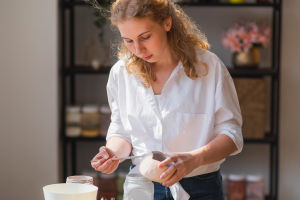
How to make a Hydrangea Bouquet Floristry Tutorial
Astar's Place
Structural Design of the Bouquet
Hydrangeas naturally create a focal mass due to their size, making structural planning essential. A bouquet built solely from hydrangeas requires attention to proportion and spacing to prevent overcrowding and internal moisture buildup. Supporting flowers such as ranunculus, garden roses, or spray roses are often integrated to introduce depth and guide visual movement. Foliage, including eucalyptus or salal, provides contrast and improves airflow within the bouquet.
Step 3. Assembly and Securing the Arrangement
Assembly begins with establishing a focal hydrangea, followed by alternating placement of secondary blooms and foliage. Each stem should be angled consistently to maintain symmetry. Excess foliage below the binding point must be removed to prevent decay in water.
Once the desired shape is achieved, stems are secured using floral tape or natural twine at the binding point. Stems are then trimmed to uniform length, ensuring even water access when placed in a vase or wrapped bouquet holder.
Color Harmony and Seasonal Considerations
Hydrangea bouquets benefit from thoughtful color selection. Cool-toned varieties such as blue, lavender, and soft green convey elegance and calm, while blush and antique pink evoke warmth and romance. Seasonal availability influences both color intensity and stem strength, with peak-season hydrangeas offering superior durability.
Color transitions within a single bloom, known as ombré or antique hydrangeas, add complexity and reduce the need for excessive companion flowers. These naturally aged blooms are especially valued for formal arrangements and event floristry.
Preservation and Longevity
Maintaining bouquet freshness requires ongoing care. Hydrangeas thrive in cool environments away from direct sunlight and heat sources. Water levels should be monitored daily, with stems re-cut every two days to maintain hydration channels. Light misting of petals can help prevent dehydration in dry climates, though excessive moisture should be avoided to reduce the risk of fungal issues. With proper care, a hydrangea bouquet can retain its form and color for seven to ten days.
The making of a hydrangea bouquet is a deliberate process rooted in botanical science and floral artistry. A thoughtfully crafted hydrangea bouquet stands as a testament to skilled floristry, combining natural beauty with disciplined technique to create an arrangement of lasting impact.