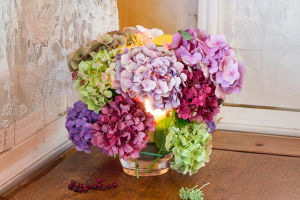
Modern flower arrangement designs represent a clear departure from traditional, symmetrical floral styles.
Rooted in principles of minimalism, spatial awareness, and intentional form, modern floral design emphasizes concept over abundance.
The Philosophy Behind Modern Floral Design
Modern flower arrangements are shaped by design movements such as minimalism, modernism, and Japanese ikebana. These influences prioritize balance, asymmetry, and restraint. Instead of densely packed bouquets, modern arrangements often feature fewer stems, carefully placed to highlight natural form and movement.
Key Characteristics of Modern Flower Arrangements
Several defining characteristics distinguish modern floral designs from classic styles:
Asymmetry: Perfect symmetry is often avoided. Visual balance is achieved through weight distribution rather than mirror-like structure.
Line and Form: Strong linear elements such as branches, grasses, or sculptural stems guide the viewer’s eye.
Limited Color Palettes: Modern arrangements frequently use monochromatic or restrained color schemes to maintain clarity and sophistication.
Textural Contrast: Smooth petals may be paired with rigid foliage elements to create visual tension.
Step 1. Concept Development and Design Planning
Every modern floral arrangement begins with a concept. This may be inspired by architecture, interior design, seasonal transitions, or emotional themes such as calm, movement, or contrast. Planning involves deciding the arrangement’s purpose—whether for a gallery space, corporate interior, or private residence.
During this stage, scale and placement are determined. A modern arrangement designed for a large open lobby will differ significantly from one intended for a dining table. Sketching or mentally mapping the structure helps define focal points and directional flow before any flowers are selected.
Step 2. Selecting Flowers and Materials
Flower selection in modern design prioritizes form over quantity. Blooms with strong silhouettes—such as anthuriums, proteas, calla lilies, orchids, or ranunculus are commonly used. Structural foliage like monstera leaves, palm fronds, or bare branches provides architectural support.
Seasonality remains important for quality and sustainability. Using flowers in peak condition ensures cleaner lines and longer-lasting arrangements. Materials such as ceramic, concrete, metal, or glass containers are chosen to complement the arrangement without overpowering it. Vessel shape often dictates the overall direction and posture of the design.
Step 3. Structural Mechanics and Support Techniques
Modern arrangements rely heavily on hidden mechanics to maintain clean appearances. Floral foam is sometimes avoided in favor of reusable techniques such as pin frogs, chicken wire, or floral grids created with waterproof tape. These methods offer stability while supporting environmentally responsible practices.
Stems are trimmed with precision, often at varying lengths, to create depth and movement. Angles are deliberate; vertical stems convey strength and formality, while diagonal placements suggest motion and organic flow. Every adjustment influences the visual rhythm of the arrangement.
Step 4. Assembly and Spatial Composition
Assembly begins with establishing the dominant line or focal element. This may be a branch, a bold bloom, or a dramatic curve formed by a single stem. Supporting elements are added gradually, ensuring each addition enhances rather than competes with the primary structure.
Spacing is continuously evaluated. Overcrowding undermines modern aesthetics, while excessive emptiness can weaken visual cohesion. Adjustments are made until harmony between form, void, and proportion is achieved. Final touches often involve subtle repositioning rather than adding new materials.
Color Theory in Modern Floral Design
Color usage in modern arrangements is intentional and controlled. Neutral palettes featuring whites, greens, and earth tones are common, allowing form and texture to dominate. When bold colors are introduced, they are often used sparingly to create emphasis or contrast.
Color temperature also influences mood. Cool tones evoke calm and clarity, while warm hues add energy and presence. Modern designers frequently explore tonal variations within a single color family to add depth without visual clutter.
Contemporary Trends and Innovation
Modern floral design continues to evolve alongside cultural and environmental awareness. Sustainable practices, including locally sourced flowers and reusable mechanics, are increasingly central. Dried and preserved elements are also integrated to extend longevity and reduce waste.
Modern flower arrangement designs reflect a refined balance between artistry and discipline. As trends continue to emphasize sustainability and innovation, modern floral design remains a dynamic field that celebrates both natural beauty and contemporary expression.