Stepping into the world of triathlons can feel like a whole new adventure—especially when you start looking at the gear. With so many options available, it's easy to feel overwhelmed.
Don't worry, from wetsuits to road bikes, we've got you covered.
Let's explore the essential triathlon gear you'll need and how to choose the best equipment to help you perform your best.
Wetsuits: Comfort and Speed in the Water
For most triathlons, a wetsuit is a must-have, especially if you're racing in colder waters. A wetsuit keeps you warm and helps with buoyancy, making swimming easier and faster.
1. Why a wetsuit matters
Wetsuits provide insulation, keeping your body at a comfortable temperature during the swim. They also add buoyancy, helping you float better, which reduces energy output and allows you to swim more efficiently. Additionally, the smooth surface of the wetsuit helps you glide through the water, minimizing drag.
2. What to look for
Choose a wetsuit made from neoprene, as it's both flexible and durable. The thickness of the wetsuit will vary depending on water temperatures, with thicker suits (around 5mm) being best for cold water and thinner options (2mm-3mm) for warmer conditions. Fit is crucial, too—your wetsuit should be snug but not restrictive, allowing you to move your arms and legs comfortably.
3. Tip for new triathletes
When purchasing a wetsuit, make sure to try it on and practice swimming in it before race day. It's important to feel confident and comfortable in the suit, especially when transitioning from water to bike.
Triathlon Bicycles: Speed and Comfort Combined
The bike portion of the triathlon is where many athletes can gain a competitive edge. Choosing the right road bike—or triathlon-specific bike—can make all the difference.
1. Road bike vs. triathlon bike
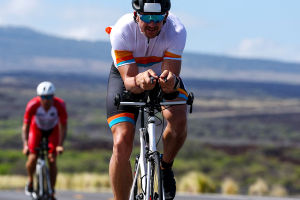
While road bikes are versatile and great for many types of races, a triathlon bike (also known as a TT bike) is specifically designed for time trials and triathlons. It features aero handlebars that help you adopt a more aerodynamic position, reducing wind resistance. Triathlon bikes also have a geometry that puts you in a more forward-leaning position, which helps conserve energy for the run.
2. What to look for
Your bike should fit you properly, allowing for comfort during the long ride. A good fit will prevent injuries and ensure that you're using the right muscles efficiently. You'll also want to consider wheelsets and tire types, as these affect speed and stability. If you're racing on hilly terrain, a lighter bike with an appropriate gearing setup can be beneficial.
3. Tip for new triathletes
You don't need the most expensive bike to perform well. Focus on getting a bike that fits well and suits your level of experience. If you're just starting out, even a solid entry-level road bike will work fine for your first few races.
Running Shoes: Comfort is Key
The final leg of the triathlon is the run, and having the right shoes can make a huge difference in how you feel during this part of the race.
1. Choosing the right shoes
Look for running shoes that offer a good balance of cushioning, support, and breathability. The type of shoe you need depends on your running style. If you tend to overpronate (your feet roll inward), look for stability shoes. If you have a neutral gait, you can opt for lighter, more cushioned shoes.
2. What to consider
Comfort is essential—make sure the shoes fit properly and allow for toe room without being too loose. If you're running a longer distance, you might want shoes with more cushioning to absorb shock and reduce the risk of injury. Additionally, make sure to break in your shoes before race day to avoid blisters.
3. Tip for new triathletes
Practice running transitions. After coming off the bike, your legs might feel heavy and awkward. Practicing running right after cycling can help you get used to the feeling and improve your performance on race day.
Race-Day Essentials: Gear Up for Success
While wetsuits, bikes, and shoes are the major investments, there are other smaller items that can make your race day more efficient.
1. Helmets
Safety comes first, so a well-fitting, comfortable helmet is essential for the bike leg of the race. Make sure to choose a helmet that's certified by safety standards (e.g., CPSC or CE) and fits securely. For triathlons, consider aero helmets that help reduce drag for faster speeds.
2. Race belt and bib number
A race belt allows you to easily attach your bib number without having to pin it to your clothing. This is especially helpful when transitioning between the swim, bike, and run segments. It's a simple yet effective way to streamline your race day.
3. Hydration system
Staying hydrated during the race is critical. A hydration pack or bottle cage on your bike will ensure you have easy access to fluids during the bike leg. On the run, you can either carry a small hand-held bottle or take advantage of water stations along the course.
4. Sunglasses and sunscreen
Protect your eyes from the sun and debris by wearing a pair of sport-specific sunglasses. Make sure they fit comfortably and stay in place during the race. Additionally, apply sunscreen before the race to avoid sunburn, especially if you're racing in hot, sunny conditions.
Final Thoughts: Ready to Race
Investing in the right triathlon gear can elevate your race-day experience and make all the difference in your performance. From the wetsuit that keeps you warm and buoyant to the bike that lets you glide through the course efficiently, every piece of equipment has a purpose.
Whether you're a first-time triathlete or a seasoned pro, the right gear will give you the confidence to perform your best. So, gear up, stay comfortable, and get ready to conquer the race ahead!