One morning walk in the park can be enough to remind us why animals matter.
A flash of a squirrel darting up a tree, the hum of a bee near wildflowers, or the distant call of a bird—all of these little encounters make the world feel alive.
But what happens when those voices grow quiet? Conservation isn't just about saving animals from disappearing; it's about protecting the balance that keeps life thriving, including our own.
Why Animal Conservation Matters
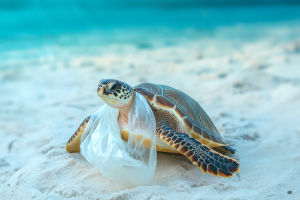
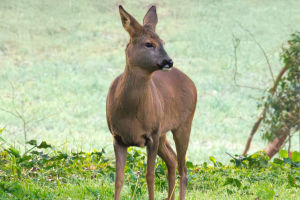
Every species plays a role in its ecosystem, no matter how small it looks. Bees pollinate plants that produce the fruits and vegetables we eat. Wolves keep deer populations in check so forests don't get stripped bare. Even sea turtles help keep seagrass meadows healthy, which in turn shelter fish we rely on.
When one species vanishes, the effects ripple outward. It's like pulling a single piece from a Jenga tower—it may seem harmless at first, but eventually the whole structure wobbles. Conserving animals isn't a “nice-to-have”; it's a necessity for healthy soil, clean water, and stable food supplies.
The Human Connection
Animal conservation isn't only about protecting ecosystems; it's also about protecting ourselves. Think about how much of our daily lives depend on nature's balance:
1. Food security: Pollinators like bees and butterflies are behind one out of every three bites of food we eat. Without them, supermarket shelves would look very different.
2. Health: Healthy ecosystems reduce the spread of diseases. For example, when predator species disappear, rodent populations can explode, increasing the risk of illness spreading to humans.
3. Climate stability: Animals help regulate carbon storage. Whales, for instance, contribute to carbon cycling in the ocean, and elephants maintain forests that absorb greenhouse gases.
Protecting animals is, in a real sense, protecting our own future.
Threats to Species Survival
Unfortunately, many species face increasing threats today. The biggest challenges include:
1. Habitat loss: Expanding cities, farms, and roads often cut animals off from the places they need to survive.
2. Poaching and illegal trade: From exotic birds to endangered reptiles, wildlife trafficking remains a global crisis.
3. Climate change: Rising temperatures and shifting weather disrupt migration patterns, breeding cycles, and food availability.
What makes these threats urgent is how fast they're accelerating. Scientists estimate that species are going extinct at rates up to 1,000 times the natural background rate. That's not just sad—it's dangerous.
What We Can Actually Do
It's easy to feel powerless in the face of such huge problems, but small, consistent actions add up. Here are steps that make a difference:
1. Support conservation groups: Donations, volunteering, or even spreading awareness helps organizations on the frontlines protect habitats and species.
2. Choose sustainable products: Look for certifications like “Rainforest Alliance” or “Marine Stewardship Council” when shopping for food and goods. These labels mean your purchase isn't contributing to habitat destruction.
3. Create local habitats: Planting native flowers in your garden or leaving a patch of wild grass helps pollinators and small animals survive in your own neighborhood.
4. Reduce waste and energy use: Every bit of reduced plastic, water, or electricity helps ease the pressure on ecosystems worldwide.
The key isn't to do everything perfectly, but to do something consistently.
A Final Reflection
Think back to that morning walk—the squirrel, the bee, the bird song. Those small, ordinary moments are gifts we often take for granted. Protecting animal species isn't just about saving creatures we'll never meet in faraway places; it's about holding onto the richness of life that surrounds us daily.
If we act with care now, future generations will still hear the buzz of bees in spring, see whales breach the ocean surface, and feel that deep connection with the living world. Conservation is more than saving animals—it's saving the harmony that makes our own lives possible.