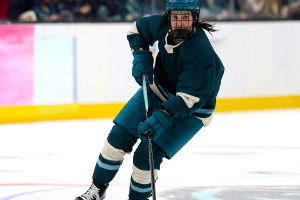
Stepping onto the ice for the first time, your mind might race with excitement—and a bit of nervousness.
You might imagine spinning gracefully or landing your first jump, but one detail can make or break that dream: your skates. The right figure skates don't just hold your feet—they set the foundation for every movement, jump, and spin you attempt.
Understanding the Role of Ice Boots
Figure skates are more than just shoes with blades—they are precision tools designed for balance, control, and performance. Skates provide support to your ankles, which is essential when performing spins or jumps. A boot that's too loose can cause wobbling, making it harder to maintain form. On the other hand, a boot that's too tight may restrict movement and cause discomfort.
To pick the right boot, start by trying different brands and sizes. A helpful tip is to wear the socks you plan to skate in and tighten the laces gradually. You should feel snugness around your ankles without pressure points. If your heel slides even slightly, it's a sign the boot is too big. For example, many beginners underestimate how important heel fit is—loose heels can reduce control during spins.
Choosing the Right Blade
The blade is as important as the boot itself. Figure skating blades come with different lengths, curves, and toe picks. The right blade matches your skill level and skating style. Beginners often benefit from slightly shorter blades, which are easier to maneuver, while advanced skaters may prefer longer blades for stability during jumps.
When choosing a blade, check the hollow—the groove along the bottom of the blade. A deeper hollow provides more grip on the ice, which is helpful for controlled turns, while a shallower hollow allows smoother gliding. An actionable example: if you're practicing your first spin, a deeper hollow will help you maintain your balance, reducing the chances of slipping mid-rotation.
Breaking in New Skates
Even the perfect skates need time to adjust to your feet. Skates should mold to your foot shape gradually to prevent discomfort and blisters. Begin by wearing your new skates for short sessions off the ice, bending and flexing your ankles. Then, on the ice, start with simple glides and turns before attempting jumps or spins.
An effective approach is to keep your laces slightly looser during the first sessions and tighten them progressively. For instance, one skater shared that wearing new skates for 20-minute practice sessions for a week allowed the leather to soften without causing painful hotspots. This gradual method ensures comfort and maintains proper support.
Maintenance for Performance
Proper care extends the life and performance of your skates. Always dry the boots and blades after each session to prevent moisture damage and rust. Blade guards should be used off the ice to protect the edges, while soft covers help preserve the blade's sharpness.
Regular sharpening is also essential. Dull blades make spins wobbly and jumps harder to land. A good routine is to sharpen your blades every 15–20 hours of skating, but this can vary depending on ice conditions and personal preference. For example, a skater training daily might notice performance dropping sooner and need more frequent sharpening to maintain confidence on the ice.
Customizing for Comfort
Advanced skaters often customize boots with heat molding or added padding. Heat molding softens the leather to perfectly fit the foot's contours, while additional insoles can provide support or correct alignment. Even beginners can benefit from minor adjustments, such as replacing thin insoles with cushioned ones for extra comfort.
An actionable step: visit a professional fitter who can evaluate your foot shape and recommend specific adjustments. Small tweaks, like minor padding at the ankle or arch support, can dramatically improve balance and control.
Choosing the right figure skates isn't just about style—it directly impacts your performance, comfort, and confidence. The ideal boot supports your ankle, the perfect blade complements your movements, and proper care ensures every session is smooth and safe. Next time you step onto the ice, take a moment to appreciate how your skates carry you through every glide, spin, and jump. With the right fit, the ice doesn't feel intimidating—it becomes a stage where every move feels natural and controlled.