Ever noticed how leaves seem to “breathe” in sunlight?
Those tiny openings you rarely spot are doing a lot more than letting air in—they're controlling how the plant breathes, loses water, and stays alive in changing conditions.
Understanding these microscopic portals can change how we think about plant health and care.
What Stomata Really Do
Stomata are small pores mainly on the undersides of leaves. They act as the interface between the plant and its environment, regulating gas exchange. When open, carbon dioxide enters for photosynthesis, while oxygen and water vapor exit.
Example: Tomato plants grown in sunny windows often show slightly curled leaves if the stomata are losing water too quickly. Adjusting watering schedules or increasing humidity can help the plant maintain balance.
These pores are essential because they allow the plant to photosynthesize efficiently while minimizing water loss. Without stomata, plants would either overheat or dehydrate rapidly, even in mild conditions.
Opening and Closing Mechanisms
Stomata don't stay open all the time. Guard cells surrounding each pore swell or shrink depending on the plant's needs, light levels, and water availability.
Example: In hot afternoons, many plants partially close their stomata to conserve water. Observing this, gardeners can water early in the morning or late in the evening when stomata are more active, improving hydration efficiency.
This dynamic control allows plants to respond to environmental stressors. Even small changes in humidity, light, or soil moisture trigger stomatal adjustments, which directly impact the plant's survival and growth rate.
Water Regulation and Transpiration
Stomata are central to transpiration—the process of water moving from roots to leaves and eventually evaporating into the air. This flow not only cools the plant but also drives nutrient transport.
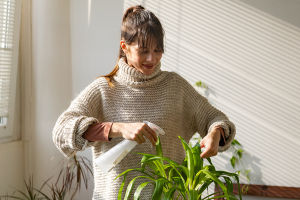
Example: If you notice houseplants with wilted leaves despite regular watering, it could be a stomatal issue. Increasing ambient humidity or misting leaves can help the stomata function more effectively, reducing water stress.
By managing transpiration, stomata maintain the plant's internal water balance. They prevent excessive water loss in dry conditions and enable nutrient distribution during active growth.
Photosynthesis Efficiency
Carbon dioxide is essential for photosynthesis, and stomata control its intake. A balance is crucial: open too much, and water is lost; closed too much, and carbon dioxide intake drops, slowing growth.
Example: Gardeners growing leafy greens can observe that shaded plants sometimes have larger stomata to compensate for lower light, helping maintain photosynthesis efficiency. Adjusting sunlight exposure can optimize growth without stressing the plant.
Stomatal regulation ensures that plants capture enough carbon dioxide for energy while avoiding dehydration—a delicate balancing act that's key to survival in fluctuating environments.
Stress Response and Adaptation
Stomata help plants cope with stress from drought, heat, or pollution. Some species even develop fewer or smaller stomata in arid regions to reduce water loss. Others open only at night to conserve moisture while still gaining carbon dioxide.
Example: Succulents like jade plants keep their stomata mostly closed during the day, opening at night to capture CO₂ without losing precious water. Observing this pattern can guide watering routines for similar houseplants.
These adaptations highlight how evolution fine-tunes stomatal behavior to environmental conditions, giving plants the flexibility to survive extreme situations.
Practical Takeaways for Plant Care
Understanding stomata can improve plant care:
- Water plants during times of day when stomata are open for maximum absorption.
- Increase humidity around indoor plants to reduce stomatal water loss.
- Adjust sunlight exposure to optimize photosynthesis without overstressing leaves.
By aligning gardening practices with how stomata work, plants stay healthier, more resilient, and better able to thrive even in challenging conditions.
Stomata may be tiny, but their role in controlling breathing, water, and survival is massive. Watching how leaves respond to light, heat, and moisture gives a peek into this hidden system and reminds us that even the smallest features in nature have big impacts.