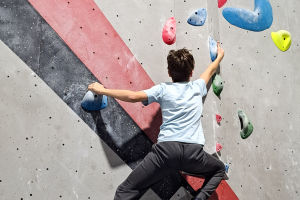
When we step onto a climbing wall or face a towering rock outdoors, safety quickly becomes our top priority. Climbing is exciting, challenging, and deeply rewarding, but it also depends heavily on the right gear.
No matter whether we are climbing in a local gym or exploring cliffs around the world, every piece of equipment plays a key role in keeping us secure.
Different climbing styles—like top-rope, lead climbing, traditional climbing, and bouldering—require slightly different setups. Still, the core gear remains similar. When we understand each item clearly, we can climb with more confidence and avoid unnecessary risks.
Personal Essentials We Should Always Have
Let’s start with the basics that every climber needs. First, climbing shoes are the foundation of performance. These shoes are designed to fit snugly, giving us better grip and precision on small footholds. Some are softer for sensitivity, while others are stiffer for support. Choosing the right pair depends on our climbing style and comfort.
Next is the harness, which connects us to the rope. It wraps around the waist and legs and includes a strong loop where safety devices attach. A properly fitted harness should feel secure while still allowing us to move freely.
A helmet is another essential, especially outdoors. It protects us from falling debris or accidental impacts against the rock. Even in indoor settings, beginners are often encouraged to wear one for extra safety.
We also carry a chalk bag filled with chalk to keep our hands dry. Sweaty palms can reduce grip, so chalk helps us stay steady during difficult moves.
Ropes and Protection Systems Explained
Now let’s look at the gear that connects everything together. The climbing rope is our lifeline. Dynamic ropes are commonly used because they stretch slightly, reducing the impact force if we fall. These ropes come in different lengths and diameters depending on the route.
Belay devices are used to control the rope. They allow a partner to manage our movement, helping us descend smoothly or stopping a fall. Some are simple tube-style devices, while others include assisted braking features for extra support.
Carabiners are metal connectors that link different pieces of gear. Locking carabiners are especially important for key connection points, as they reduce the risk of accidental opening.
Quickdraws are mainly used in lead climbing. They connect the rope to fixed anchor points on the wall, helping reduce rope drag and making climbing more efficient.
Extra Gear for Traditional Climbing
For those who want to explore traditional climbing, the equipment becomes more advanced. Instead of relying on fixed anchors, we place our own protection into cracks in the rock.
Camming devices expand inside cracks to hold securely, while nuts are wedged into place as passive protection. These tools come in various sizes to fit different rock features.
We also use slings and accessory cords to extend placements, build anchors, and organize gear. Managing this equipment takes practice, but it allows us to explore more natural and less developed climbing routes.
Bouldering Gear: Simple but Important
Bouldering may not involve ropes, but it still requires proper preparation. A crash pad is essential, as it cushions our fall and reduces the chance of injury.
We also use a brush or cloth to clean dirt and chalk off footholds and our shoes. Keeping surfaces clean improves grip and helps us perform better on short but powerful climbs.
Helpful Extras We Should Not Ignore
Beyond the main gear, a few additional items can make a big difference. A sturdy backpack helps us carry everything efficiently. Comfortable, stretchable clothing allows freedom of movement while protecting our skin.
If we are climbing outdoors for extended periods, a headlamp can be useful in case it gets dark. A small first-aid kit is always a smart addition, along with enough water and snacks to maintain our energy levels.
Safety Tips Every Climber Must Follow
Even the best gear cannot replace proper knowledge. We must learn how to use each item correctly, ideally through professional instruction or experienced partners.
Before every climb, we should carefully check all equipment for signs of wear or damage. Worn ropes, damaged harnesses, or cracked metal parts should never be used.
It is also important to choose gear that meets internationally recognized safety standards. Compatibility matters too—our rope and belay device must work well together.
Most importantly, we should progress step by step. Starting in an indoor climbing gym is the safest way to learn. From there, we can gradually move on to more advanced techniques and outdoor routes.
Let’s Climb Smarter and Safer Together
Climbing is more than just reaching the top—it is about enjoying the journey while staying safe. With the right gear and proper knowledge, every climb becomes more enjoyable and less stressful.
Lykkers, are we ready to take that first step or level up our climbing skills? Let’s prepare carefully, stay aware, and embrace the excitement that climbing brings. After all, the best adventures are the ones we return from safely—with great memories to share together!