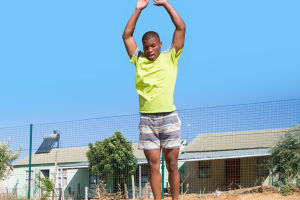
The same exercise can burn different amounts of energy depending on how hard you work and how long you keep going.
From pool workouts to moves you can do at home, these exercises offer different ways to get active. The estimates are a starting point for comparing them.
How to Compare Estimates
According to Ben Kuharik, an exercise physiologist, working harder or exercising longer generally increases the total calories you burn. The estimates below are given in the same body-weight order: 125, 155, and 185 pounds. Check the duration and effort before comparing activities.
1. Running
Running can use a lot of energy, but the pace matters. At 5 miles per hour, the estimated burn over 30 minutes is 240, 288, or 336 calories for the three body weights, respectively.
2. Swimming
Swimming works the upper and lower body without the repeated impact of running. The general swimming estimates are 180, 216, and 252 calories over 30 minutes. A leisurely swim and a hard set of laps will not use the same amount of energy.
3. Jump Rope
Jumping rope uses your legs, core, and arms. At a slow pace, the estimated burn is 226, 281, or 335 calories over 30 minutes of jumping. If you break the workout into short sets, count the time spent jumping separately from the breaks.
4. High-Intensity Interval Training
High-intensity interval training, or HIIT, alternates hard efforts with easier movement or rest. Sprints and running in place with high knees are two options for the hard intervals. The original 30-minute estimates of 300, 372, and 444 calories are unverified and do not specify the work-to-rest pattern.
5. Hiking
Uneven terrain challenges your balance, and the demands change as the trail climbs or levels out. For cross-country hiking, the estimates are 170, 216, and 252 calories over 30 minutes. Treat those as a reference rather than a prediction for every trail.
6. Rowing Machine
Rowing uses your legs, back, arms, and core. Your legs drive the movement before your arms draw the handle toward you. At a moderate effort, the estimated calorie burn over 30 minutes is 210, 252, or 294.
7. Jumping Jacks
Jumping jacks need no equipment and can be part of a warm-up. The draft estimates of 8, 10, and 11.8 calories per minute are unverified. A warm-up done at an easy pace is different from a sustained set.
8. Mountain Climbers
From a plank position, alternate drawing each knee toward your chest. Your arms and core support you while your legs move. The estimates of 7, 9, and 12 calories per minute are unverified.
9. Glute Kicks
In this running drill, alternate bringing each heel toward your backside as you jog in place. A quicker rhythm makes the drill more demanding, but the estimates of 8, 10, and 12 calories per minute are unverified.
10. Stationary Bicycling
On a stationary bike, you can change the effort by adjusting the resistance or your pedaling speed. The estimates for 30 minutes at moderate effort are 210, 252, and 294 calories. These figures are not for a hard ride.
11. Aerobic Dance
Dance aerobics uses repeated steps set to music, while step aerobics adds a raised platform. In the estimates for low-impact step aerobics, 30 minutes uses 210, 252, or 294 calories. That gives a reference for one class format, not all dance workouts.
12. Calisthenics
Calisthenics includes bodyweight exercises such as push-ups, squats, and lunges. The estimates for 30 minutes of moderate calisthenics are 135, 162, and 189 calories. The effort can vary with the exercises you choose and how much you rest between sets.
Working Out at Home
Walking is an option if you want something less intense than running or jumping. At 3.5 miles per hour, the estimates are 107, 133, and 159 calories over 30 minutes. You can walk indoors if you have a clear route, or head outside.
Starting Safely
Start a new activity at an easy pace and pay attention to your form before increasing the effort. Leave time to warm up and cool down. If you have an injury or a health condition that affects exercise, ask a healthcare professional what activity and intensity are appropriate.
For your next workout, pick an activity that fits the time, space, and equipment you have, and put it on your calendar.